


Zahra Larijani Expert in charge of food tourism of the Ministry of Cultural Heritage, Tourism and Handicrafts
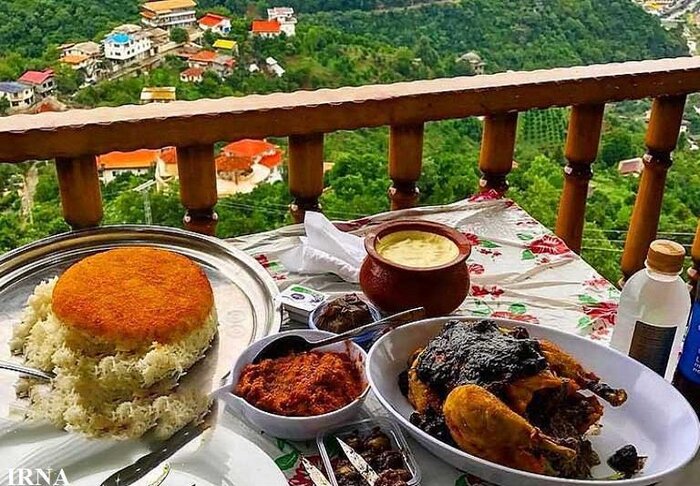
Food tourism can be considered as the beating and attractive heart of the tourism industry and due to the high richness of Iranian culture and civilization and the existence of hundreds of attractive food and drinks in the country, food tourism can be the flagship of tourism development in the new century and a display of the great history and civilization of this border. and canvas.

According to the report of jahane-gardesh, quoted by IRNA, tourism is a miracle that involves more than one industry and group and is an economic engine. Today, the economy of our country needs this industry more than ever as an important and valuable phenomenon, on the other hand, the global indicators of economic growth confirm the fact that the importance of tourism in the spending basket of families and people of the world has become very colorful and effective. It is that food tourism can be seen as the driving force behind the great and blessed train of the tourism industry.
Food tourism is one of the types of tourism that can play an important role in attracting tourists. This type of tourism is related to the customs and culture of each country and is attractive for visitors who come from other countries of the world with a different culture and are ready to experience the culture and customs of their food. Currently, food tourism in the world earns more than 200 billion dollars.
Food tourism seeks unique and memorable eating and drinking experiences, both near and far. Food tourism can have its own tours as a different type of motivation in tourism. Culinary tours and travel packages can include a wide range of culinary activities, food sampling, food trends, drinks and baking.
In addition to restaurant weeks in different cities, food tourism events and cooking competitions, culinary tourism includes culinary experiences such as food production and processing tours, tours of restaurants and food factories, conferences and events with culinary experts and cookbook authors, and food tastings. It is ethnic. The aim of food tourism is to introduce a country to its rich culture, to provide enjoyment and a good experience and to inspire food and drink enthusiasts, while giving the traveler an opportunity to discover the local community and learn about local food trends, cooking techniques and history. learn to eat Travelers can do this by participating in a cultural immersion experience at select destinations around the world.

The World Food Travel Association estimates that food and beverage costs account for 15 to 35 percent of total tourism spending, depending on the affordability of the destination. It lists the possible benefits of food tourism including more visitors, more sales, more media attention, increased tax revenue and more community pride. Food tourism can be considered Iran’s fast competitive advantage. Food tourism in Iran due to different magical flavors, ancient historical roots – which of course has many reasons today, it is registered or become famous under the name of other countries -, the great variety of food in Iran in terms of variety, food items, multiplicity Cooking, cooking methods, healing properties and many other things have a very high potential for attraction and globalization, and it is the only component of tourism and attracting tourists that is active and usable in all tourism platforms, and it is very interesting that the ability to export with touristic value to It also has the territory of Iran. The next advantage of food tourism is the reproducibility of the experience and its incompleteness in the next trips and even motivation for the next trips of the travelers, and due to the differences in cooking and serving the same food even in different cities, this experience is easily available for travelers. The results of surveys show that more 88% of tourists in the world consider getting to know different cooking styles and eating traditional foods of different countries to be one of the most important factors of travel. The United Nations World Tourism Organization (UNWTO) had previously announced that 30% of the world’s tourism is related to the food industry. Food tourism is a general and all-encompassing activity, covering all aspects of food from vending machines and street vendors to high-end luxury restaurants, and anyone who deals with food in any way is part of this industry. . Of course, contrary to the collective imagination, specialized research on the premium foods of different regions by culinary experts is not the main goal of food tourism and is only a small branch of it.
Currently, the connection between adventure tourism and food is increasing day by day. So that nearly a third of adventure tour operators say “their passengers have asked to include the experience of unknown food types as part of the travel experience. The International Adventure Travel Trade Association recently published the results of an extensive survey based on a survey of 281 domestic and foreign tour operators and travel agencies from 54 countries that provide adventure travel services to more than 3,300 travelers annually.

Finally, food tourism can be considered as the beating and attractive heart of tourism and due to the high richness of Iranian culture and civilization and the existence of hundreds of attractive food and drinks in this country, food tourism can be the flagship of the development of food tourism in the new century and a display of history and civilization. May this border be great./end

No Comment